










In This Article
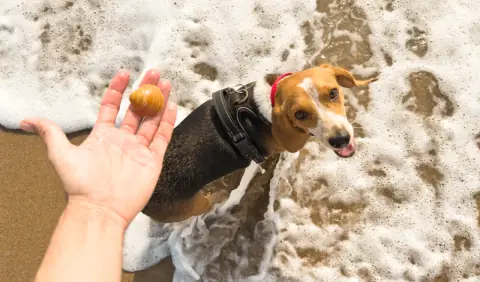
Have you ever watched your dog happily sniffing around the beach and wondered if picking up a seashell is harmless? While the ocean can be an exciting playground for dogs, those beautiful shells scattered along the sand may not be as safe as they seem. Many pet owners don't know that a simple seashell can quickly turn into a serious health hazard.
Dogs naturally explore the surroundings with their mouths. They may chew, lick, or even swallow shells out of curiosity. Most of the time, some dogs simply lose interest, others can end up with painful mouth injuries, stomach problems, or even life-threatening emergencies that require immediate veterinary care.
Keeping pets happy and healthy means understanding hidden dangers before they become a problem. Veterinarians always make clear seashells can be more dangerous than many owners expect. Being warned of the potential dangers and taking some simple preventive measures is the way to go if you want your pet to safely enjoy every beach vacation.
Why Are Dogs So Interested in Seashells?
Dogs explore places through their senses, especially smell and taste. For that reason, seashells are appealing as they are carrying the smell of seawater, fish, crabs, and other marine creatures.
While playing at the beach some dogs find shells very interesting as they treat them as playing objects, they throw around such shells or give them a chew like other soft objects like sticks or balls etc. Puppies are even more likely to investigate unusual objects because they're naturally curious. Unfortunately, what starts as innocent play can quickly become dangerous.
Sharp Edges Could Lead to Pain
One of the biggest concerns veterinarians mention is the sharp, broken edges found on many seashells.
A dog chewing on a shell can suffer:
- Cuts inside mouth
- Gums bleeding
- Tongue injuries
- Broken or chipped teeth
- Damage to the throat
Unlike soft chew toys, shells easily splinter into razor-like pieces that can injure your dog before you even notice anything is wrong.
Swallowing Seashells Can Lead to Intestinal Blockages
If a dog swallows a shell, the danger doesn't end there. Large shell pieces often cannot pass safely through the digestive system. Instead, they may become lodged in the stomach or intestines, creating a blockage that prevents food and fluids from moving normally.
Veterinarians consider intestinal blockages a medical emergency because they can quickly become life-threatening without treatment. Common warning signs include:
- Vomiting
- Lack of interest in meals
- Abdominal pain
- Constipation
- Weakness
- Getting tired quickly or sluggishness
Many dogs with severe blockages require surgery to remove the shell safely.
Shell Fragments Can Damage the Digestive Tract
Shell, no matter how tiny they look, can still scrape and damage the digestive system. In fact, they may not even block the entire system. Sharp fragments may irritate or puncture the:
- Esophagus
- Stomach lining
- Small intestines
- Colon
These injuries can lead to internal bleeding, infection, and significant pain. In severe situations, emergency surgery may still be necessary.
Saltwater Makes the Situation Worse
Dogs playing with shells are usually also drinking ocean water.
The intake of sea water in excess can lead to:
- Vomiting
- Diarrhea
- Excessive thirst
- Dehydration
- Salt toxicity in severe cases
When combined with swallowed shell fragments, the digestive system becomes even more irritated, increasing the chances of illness.
What Do Veterinarians Recommend?
From vets' perspective, it's far better to avoid possible danger than treat a problem after it's arisen. Instead of letting your dog chew on seashells, offer safe alternatives like durable rubber toys or floating fetch toys during beach trips. If your dog loves to pick up random items, pay extra attention to them and redirect their attention with toys or treats whenever they show interest in shells.
If you think your dog has swallowed part of a seashell, monitor them closely. The warning signs that will tell you if there is an ongoing issue are that it is repeatedly vomiting, having trouble swallowing, excessive drooling, bloody stool, loss of appetite, a swollen abdomen, or whining and other signs of pain. Even mild symptoms can become serious, so contact your veterinarian as soon as possible.
Some tips to help make sure your dog is safe during beach activities:
- If your dog eats random objects, keep him on a leash.
- Bring fresh drinking water so the dog doesn't drink seawater.
- Prepare some fetch or chew toys that are safe for your pet instead of letting them play with shells.
- Remove broken shells from the play area whenever possible.
- Teach commands such as 'leave it' and 'drop it'.
Are Any Seashells Safe for Dogs?
From a pet safety point of view seashells are never safe. Even those that look smooth can crack under pressure and create sharp pieces that may injure your dog's mouth or digestive system. Instead of taking the risk, veterinarians recommended to avoid letting them chew on or swallow any kind of seashells. With a few simple precautions, you and your furry companion can enjoy the beach while avoiding unnecessary health risks.